Entertainment
7 Wonders of India You Must Visit in 2026: Names, History, & Facts
Discover the top 7 wonders of India, from the Historic Taj Mahal to the ancient Nalanda University. Learn about their history and location in this article.

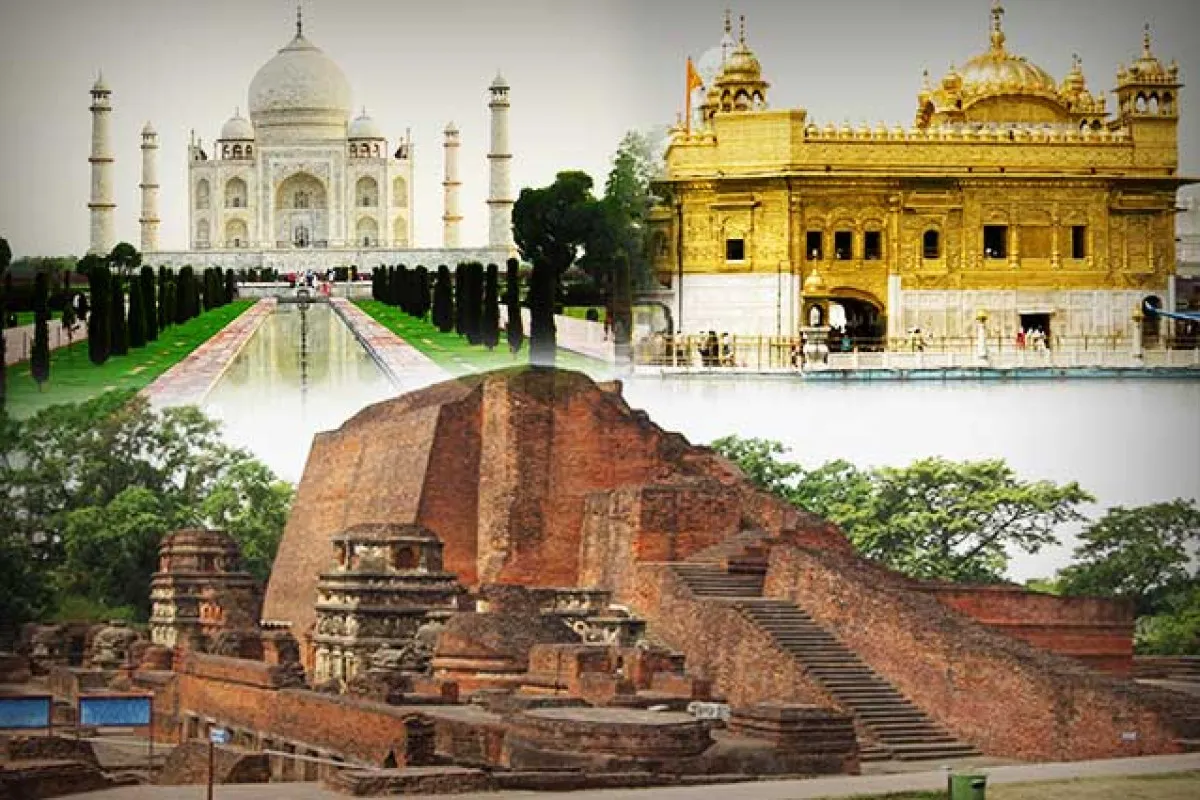
India is a country full of variety, culture, and traditions. It is also a country where you will find some of the most marvellous architectural and artistic creations of the World. In this blog, we are trying to list out the 7 wonders of India that you must visit in 2026. These are the monuments and places that will reveal the depth of history and the beauty of India.
What are the 7 Wonders of India?
The 7 Wonders of India are a collection of historical buildings selected by a public poll. It highlights the rich architectural, cultural, and historical heritage India has.
Names of the Seven Wonders of India
- Taj Mahal Agra
- Konark Sun Temple, Odisha
- Gomateshwara Statue Story
- Harmandir Sahib Golden Temple Amritsar
- Khajuraho Temple
- Nalanda Open University
- Hampi Temple
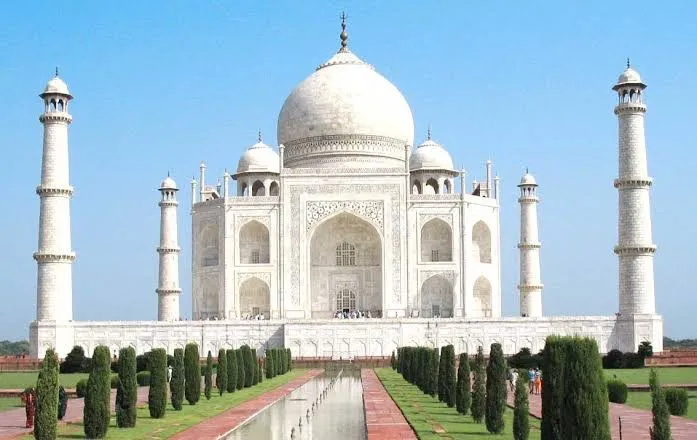
1. Taj Mahal in Agra
The Taj Mahal is renowned as one of the world’s most iconic monuments representing love and beauty. Constructed from white marble by the Mughal Emperor Shah Jahan as a memorial to his favourite wife Mumtaz Mahal in the 17th century, it has become both a UNESCO World Heritage Site and one of the New Seven Wonders of the World. The monument attracts many millions of people from all over the world each year who marvel at the incredible symmetry and detailed architecture.
Taj Mahal Timings
- Taj Mahal is open every day except Friday from sunrise to sunset.
- Taj Mahal Tickets are Rs. 50 for Indians and Rs. 1100 for foreigners.
- The best time to visit the Taj Mahal is in the winter, i.e., October to March, as it is the most pleasant weather with the minimum crowd.
Taj Mahal is Famous for:
- What makes the USP of the Taj Mahal distinctive is its architecture, which, besides being awe-inspiring, is also romantic.
- Its marble domes and sparkling white minarets make it a breathtaking sight, coupled with the fact that it is a testament to his eternal love for his wife, making it unique.
- It is obviously India‘s most diverse monument, being a cross-pollination of Persian, Islamic, Hindu and Turkish styles.
2. Konark Sun Temple in Odisha
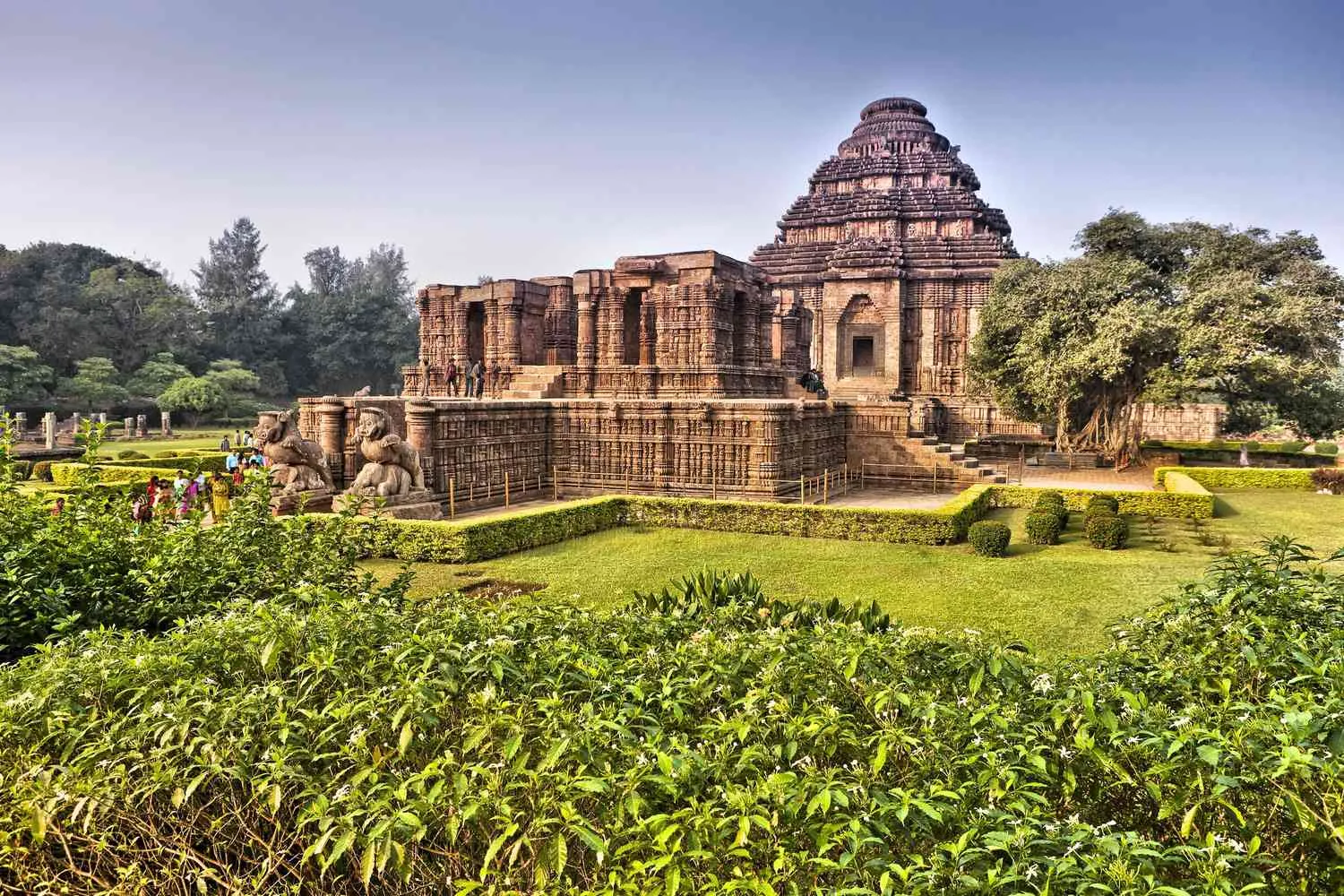
The Konark Sun Temple is one of the most beautiful temples dedicated to the Sun God Surya. It was built in the 13th century by Narsimha Gajapati I, a king of the eastern Ganga Dynasty. The temple is shaped like a gigantic chariot drawn by 7 horses with 12 pairs of wheels, symbolising the passage of the sun across the sky. The temple is richly decorated with carved images.
Konark Sun Temple Timing
- Open every day from 6 am-8 pm,.
- The entry to the Konark Sun Temple costs Rs. 40 for Indians and Rs. 600 for foreigners.
- The best time to visit the Konark Sun Temple would be in the winter months (October-March).
Konark Sun Temple is famous for:
- The USP of the Konark Sun Temple is the accuracy and the artistry of the temple.
- It is indeed a wonder of ancient Indian science and technology that it is calibrated with the solar cycle and functions as a sundial.
- It is not only a shining example of Indian art and culture, which shows forth the grace, beauty and sensuality of human life.
3. Gomateshwara in Karnataka
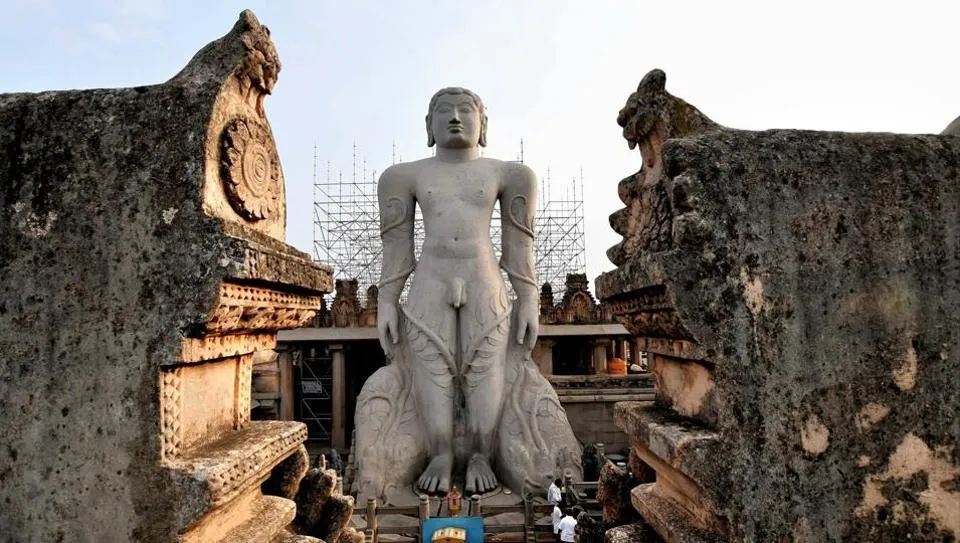
The Gomateshwara or Bahubali is a massive statue of a Jain saint who had abandoned worldly life and was enlightened through meditation. It was sculpted from a single mass of rock in the 10th century by the minister and commander of the Ganga Dynasty, Chavundaraya. It is situated on the hilltop of Shravanabelagola, Karnataka and is one of the tallest monolithic statues in the world, with a height of 57 feet.
Best time to visit Gomateshwara Bhavan
- The Gomateshwara statue is open to visit between 6 am and 6 pm every day.
- There is no admission fee; however, you have to climb around 600 steps to have a look at the statue.
- The best time to see Gomateshwara is either in Feb or Mar when the Mahamastakabhisheka, which occurs once in 12 years, is conducted. During the festival, the statue is anointed with milk, honey, sandalwood paste, saffron, turmeric, etc., as a gesture of respect.
Gomateshwara statue is famous for
- The USP of the Gomateshwara statue is its spiritual importance as well as its large scale.
- It emphasises the important precepts of Jainism as non-violence, non-attachment and self-discipline.
- The creation of the Gomateshwara monument is also a marvel of engineering and relates to the skilled craftsmanship of the ancient sculptors of India.
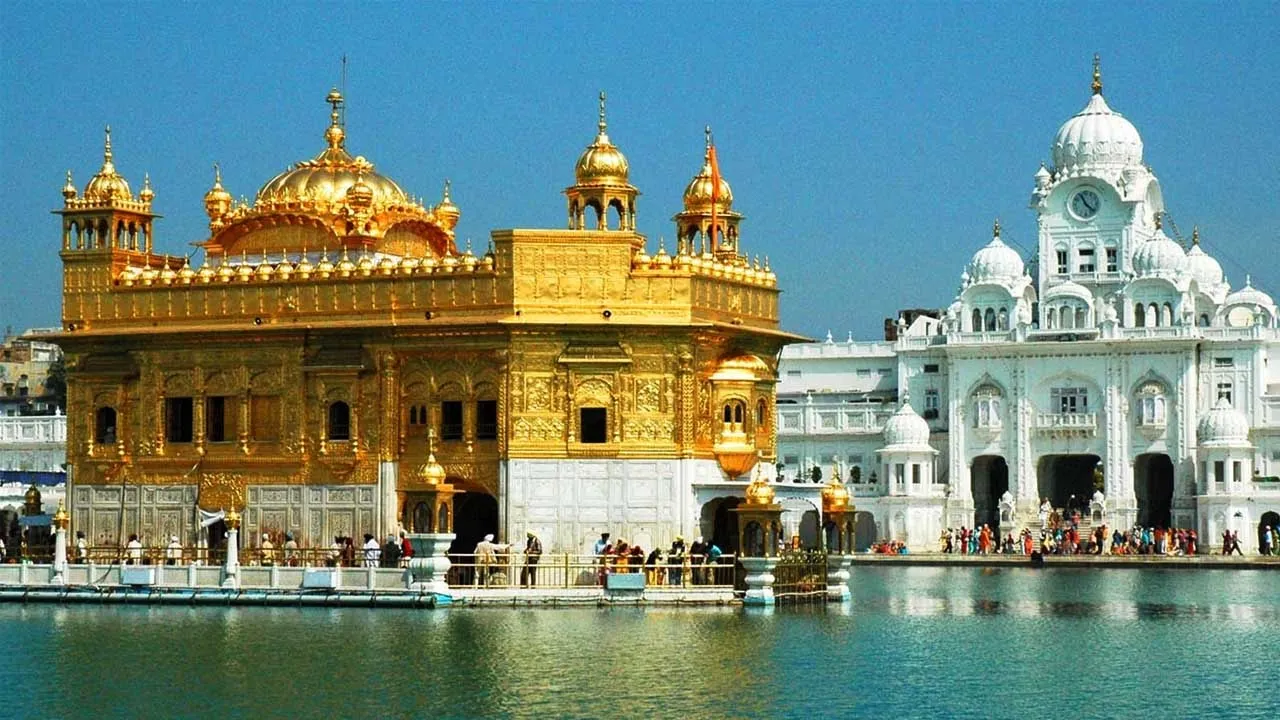
4. Harmandir Sahib Golden Temple in Punjab
The Harmandir Sahib or Golden Temple is the holiest shrine of the Sikh religion. It was established by the fourth Sikh Guru, Guru Ram Das, in the 16 th century, but completed by the fifth Sikh Guru, Guru Arjan in the 17 th century. Located in the city of Amritsar in the state of Punjab, the temple has four doors representing the inclusiveness of Sikhism for everyone regardless of his/her religion, caste or gender. The temple is gilded on all four upper floors and gleams brightly.
Harmandir Sahib Golden Temple Timings
- Harmandir Sahib is open throughout 24 hours in a week. It has free entry.
- However, one should cover their heads, take off their shoes and wash their feet before entering the temple premises.
- The most ideal time for tourists to visit to get maximum benefit of the temple is during the morning and the evening time when hymns and prayers are held.
- Tourists can also avail for free of cost langar (community kitchen) where food is served to thousands of people.
Harmandir Sahib Golden Temple is famous for:
- The USP of the Harmandir Sahib is its religious value and its popularity.
- It is where the Guru Granth Sahib is housed and worshipped.
- It is also a place for people to come, irrespective of their religion or background, to experience peace, unity and kindness.
Also Read:- Top 5 Tourist Places in Bihar: A Travel Guide
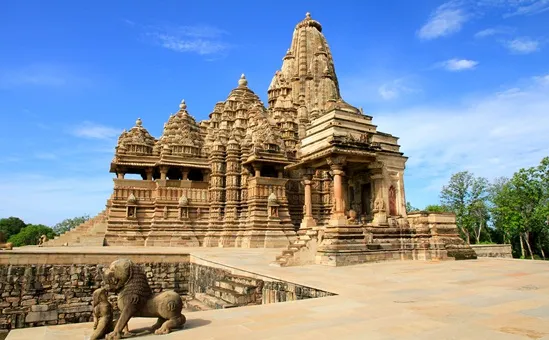
5. Khajuraho in Madhya Pradesh
The Khajuraho group of monuments comprises Hindu and Jain temples built by the Chandela rulers between the 9th and 13th centuries. The Khajuraho temple is known for its cluster of erotic monuments that illustrate various facets of sexuality, love and desire. The temples of Khajuraho are admired for their architectural splendour, artistic excellence and religious symbolism.
Khajuraho Weather
- The Khajuraho group of monuments is accessible from sunrise to sunset daily.
- The admission fee for the monuments is Rs. 40 for Indians and Rs. 600 for foreigners.
- The winter months, October to March, are the ideal time to visit the Khajuraho group of monuments, as the climate is warm and enjoyable.
Khajuraho Mandir is Famous for:
- The USP of the Khajuraho group of monuments is evident in its erotic art and culture.
- It is a distinct presentation of the ancient Indian perception of sensuality, sexuality and spirituality.
- It also symbolises the diversity and tolerance of India, illustrating how both Hinduism and Jainism could co-exist within one complex.
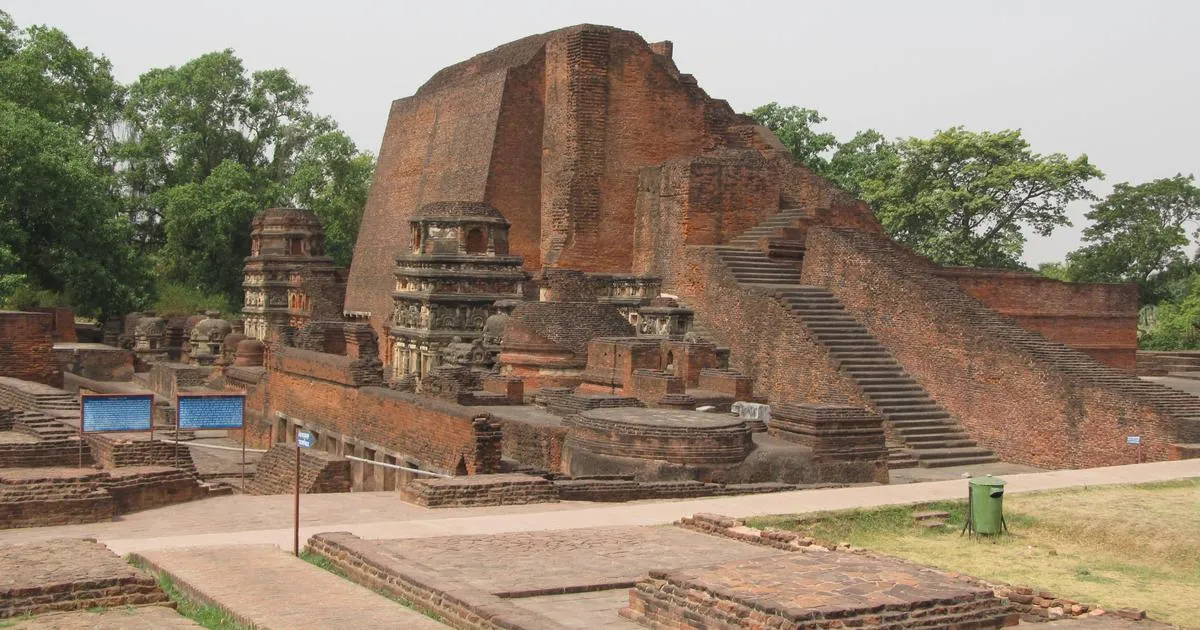
6. Nalanda in Bihar
Nalanda College of Engineering was an ancient university, a centre of learning, which flourished from the 5th to the 12th century. It was one of the first residential universities in the world, bringing in learners from India and other countries like China, Korea, Central Asia and Tibet. It provided courses in subjects like philosophy, religion, medicine, mathematics, astronomy, etc. The library is one of the assets of the university, which has thousands of manuscripts and texts.
Best Time to Visit Nalanda University:
- Nalanda is open every day from 9 am to 5 pm except on Fridays.
- Entry fee is Rs. 15 for Indians and Rs. 200 for Foreigners.
- The best time for visiting Nalanda is the winter season (October to March) as the weather is very pleasant and dry.
Nalanda Institute of Technology is known for:
- The USP of Nalanda is its educational heritage and intellectual prominence.
- It is a symbol of Indian achievement to the world in the domain of knowledge and civilisation.
- It is also a role model for present-day education and research.
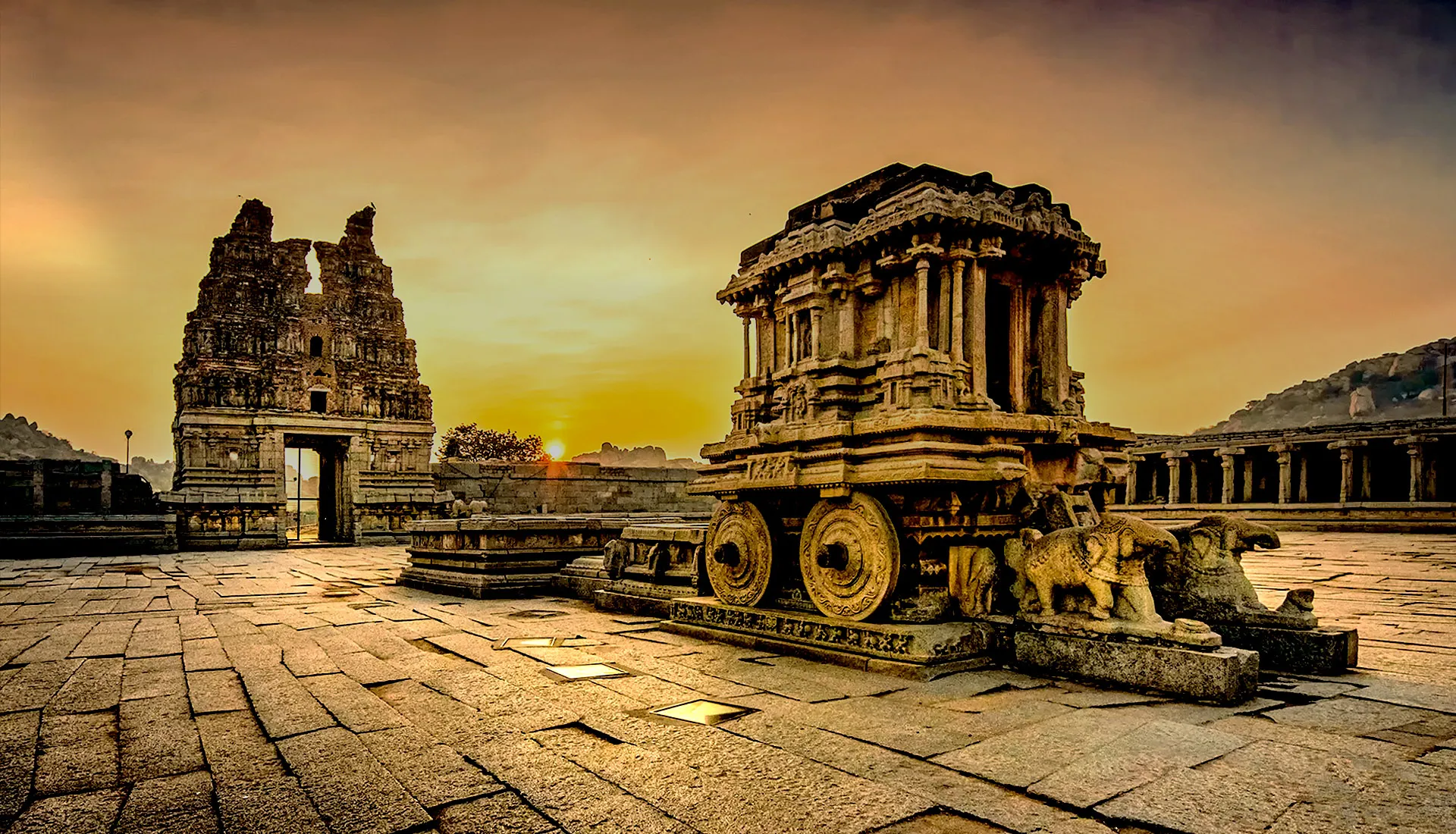
7. Hampi in Karnataka
Hampi is a UNESCO World Heritage Site. Once the capital of the Vijayanagara Empire, which was one of the largest and most powerful empires in Indian history, Hampi is a vast and impressive complex of ruins that speaks of the wealth, splendour, and magnificence of the empire that dominated South India, from the 14th to the 16th centuries. There are more than 100 monuments and structures in Hampi, including temples, palaces, markets, forts, stables, etc.
Read More: Places to Visit in Bangalore | Top 10 Places to Visit in Bangalore
Hampi is Famous for:
- Hampi‘s USP lies in its history and magnificent architecture.
- It is a reflection of India‘s glorious history and flaunts India‘s superpower.
- It is a marvel of Indian architecture and engineering, which highlights the Vijayanagara builders' talent and creativity.
Best Time to Visit Hampi:
It is best to visit Hampi during winter (October–March) when the weather is cool and pleasant.
Timing to visit Hampi Temple:
Hampi is open from sunrise to sunset every day, and you don‘t have to pay individual fees for most of the monuments. The entry fee will be Rs. 40 for Indians and Rs. 600 for foreigners for places like Vittala Temple and Zenana Enclosure.
These Seven Wonders of India are surely an ultimate representation of the country‘s history, art and culture. Under every world‘s wonder, lies an interesting story, which takes you through a different world altogether. Having a tour of all these wonders will not only make you learn about the country but also develop considerable admiration for the architectural brilliance of the country.



Who Killed Punjabi Singer Inder Kaur? Full Story Revealed Inside

Ameesha Patel Reacts to Alia Bhatt's Cannes Criticism

Sambhavna Seth Announces Pregnancy after 10 Years

Netflix Upcoming Releases 2026- Bollywood Khabare News

Samantha Ruth Prabhu and Raj Nidimoru wedding

Who is Rishab Tandon: Singer, Age, Wife

Who is the richest Bollywood actor

Is Kajol's daughter Nysa Devgan going to debut in acting?

Hina Khan Marries Rocky Jaiswal In An Intimate Ceremony

IPL Trophy 2025: Celebs Reaction On RCB Win

Rise and Fall Season 2 Confirmed Contestant List is Out

Bigg Boss 20 Latest News: Episode 1 Highlights, Fights & Drama

Bollywood Khabare Latest News: Lock Upp 2 Announced on Netflix

The 50 Confirmed Contestant list 2026: Release Date, Where to watch

Bigg Boss 19 Confirmed Contestant List

Bigg Boss 19 Announced

News About Reem Shaikh Leg Injury

Kaun Banega Crorepati 17 Registration Started

Is Khatron Ke Khiladi 15 Cancelled

Khatron Ke Khiladi 15 Start Date

Former Contestants Reportedly Return For Khatron Ke Khiladi 15

Written Episode of Anupama

Naagin 7 coming soon, Ektaa Kapoor confirms

Is New Dayaben Finalized For TMKOC

Shoaib Ibrahim Addresses Divorce Rumors With Dipika Kakar

Naagin 7 announced by producer Ektaa Kapoor

TMKOC Fame Gurucharan Singh Health Update

Anupama 9th January 2025 Upcoming Episode

Gaurav Khanna Next Project After Anupamaa